The "Big Three” - Your Kitchen, Floor, and Bathroom Drains
When most homeowners hear the words "drain cleaning," their minds immediately jump to a worst-case scenario: a massive sewer backup in the front yard or a main line failure. While those major external issues are certainly serious and require expert attention, they aren't actually the most common problems we see.
The most frequent headaches actually start right inside the house, in your kitchen, your basement, and your bathroom! At B&G Drain Cleaning, we call these the "Big Three." These are the high-traffic areas where daily use leads to inevitable buildup if left unchecked.
Below, we’ll dive into why these specific drains are so prone to clogging, identify the common household materials that cause these blockages, and explain why a proactive maintenance plan is the ultimate secret to protecting your property and avoiding the nightmare of a flooded home.
1. The Kitchen Sink - A Magnet for Grease and Grime
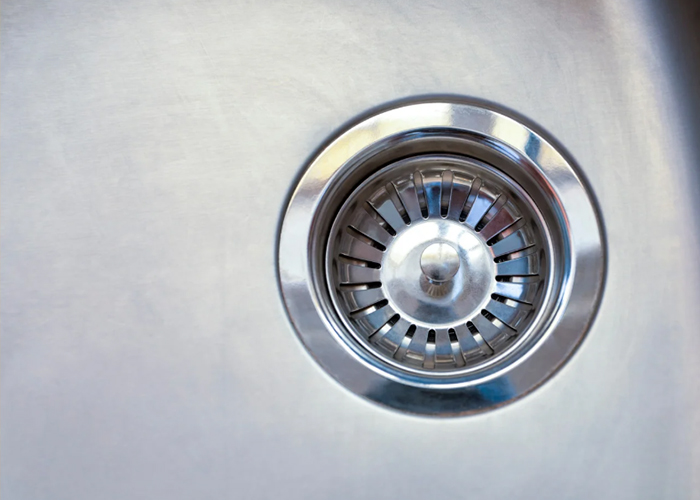
The kitchen sink is the most used drain in the home, which also makes it the most likely to clog. Even if you are careful, small amounts of food waste and oils eventually coat the inside of your pipes.
- The Common Blockage - A "grease sludge" buildup. Over time, warm fats and oils cool and solidify, catching coffee grounds and food particles like flypaper.
- The Warning Sign - You notice a "glug-glug" sound or a slow-draining basin.
- The Advantage of Cleaning - Professional snaking removes the sludge entirely. This prevents the "emergency backup" that always seems to happen right in the middle of a holiday dinner or a busy weeknight.
2. Your Home’s Safety Valve - The Floor Drain
Located in your basement, garage, or utility room, floor drains are designed to handle overflows from water heaters, HVAC condensation, or heavy rain.
- The Common Blockage - Sediment and "dry traps." In basements, these drains often collect laundry lint and dust. In garages, they fill with road salt and sand. If the "P-trap" dries out, it can also let foul sewer gases into your home.
- The Warning Sign - Standing water on the basement floor or a mysterious "rotten egg" smell.
- The Advantage of Cleaning - A clear floor drain is your best insurance policy against basement flooding. Regular cleaning ensures that when a pipe leaks or a storm hits, the water has somewhere to go.
3. Bathtub & Laundry Drains - The "Fiber" Clogs
Bathroom and laundry drains deal with a specific type of debris that is incredibly difficult to remove without professional tools.
- The Common Blockage - A combination of hair, soap scum, and clothing fibers. In the shower, hair binds with soap to create a waterproof "rope" in your pipes. In the laundry room, synthetic fibers from your washing machine can choke the narrow drain lines.
- The Warning Sign - Ankle-deep water in the shower or a washing machine that overflows during the spin cycle.
- The Advantage of Cleaning - Because these drains use smaller-diameter pipes, they clog quickly once a blockage starts. A professional cleaning extracts the hair and lint rather than just pushing it further down, preventing a much larger (and more expensive) clog in your lateral lines.
Don't Wait for the Flood
The biggest mistake homeowners make is waiting until a drain is 100% blocked before calling for help. Preventive cleaning is faster, cleaner, and significantly cheaper than emergency repairs.
If your drains are running slow, give B&G Drain Cleaning a call at 262-547-2840. We’ll get you flowing freely again for a fraction of what the "big guys” charge!
